From Digital Design to Physical Form: 3D Printing from Stitches and Glue
what do you 3d Print?
Whether you need a prototype, a detailed prop component, a bespoke animatronic part or a mould-making master, 3D printing can provide a fast and accurate way to turn a digital design into a physical object.
We regularly 3D print:
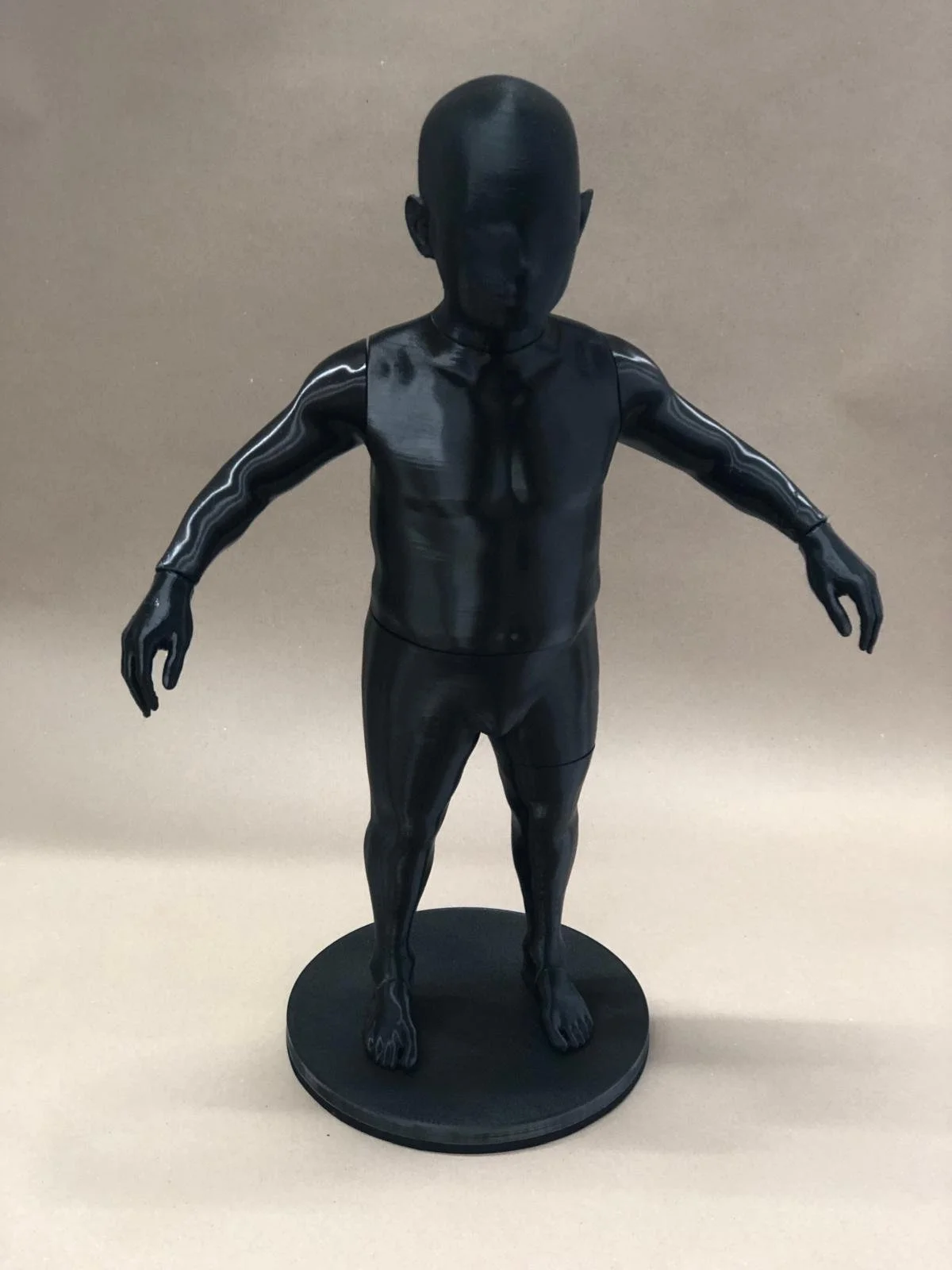
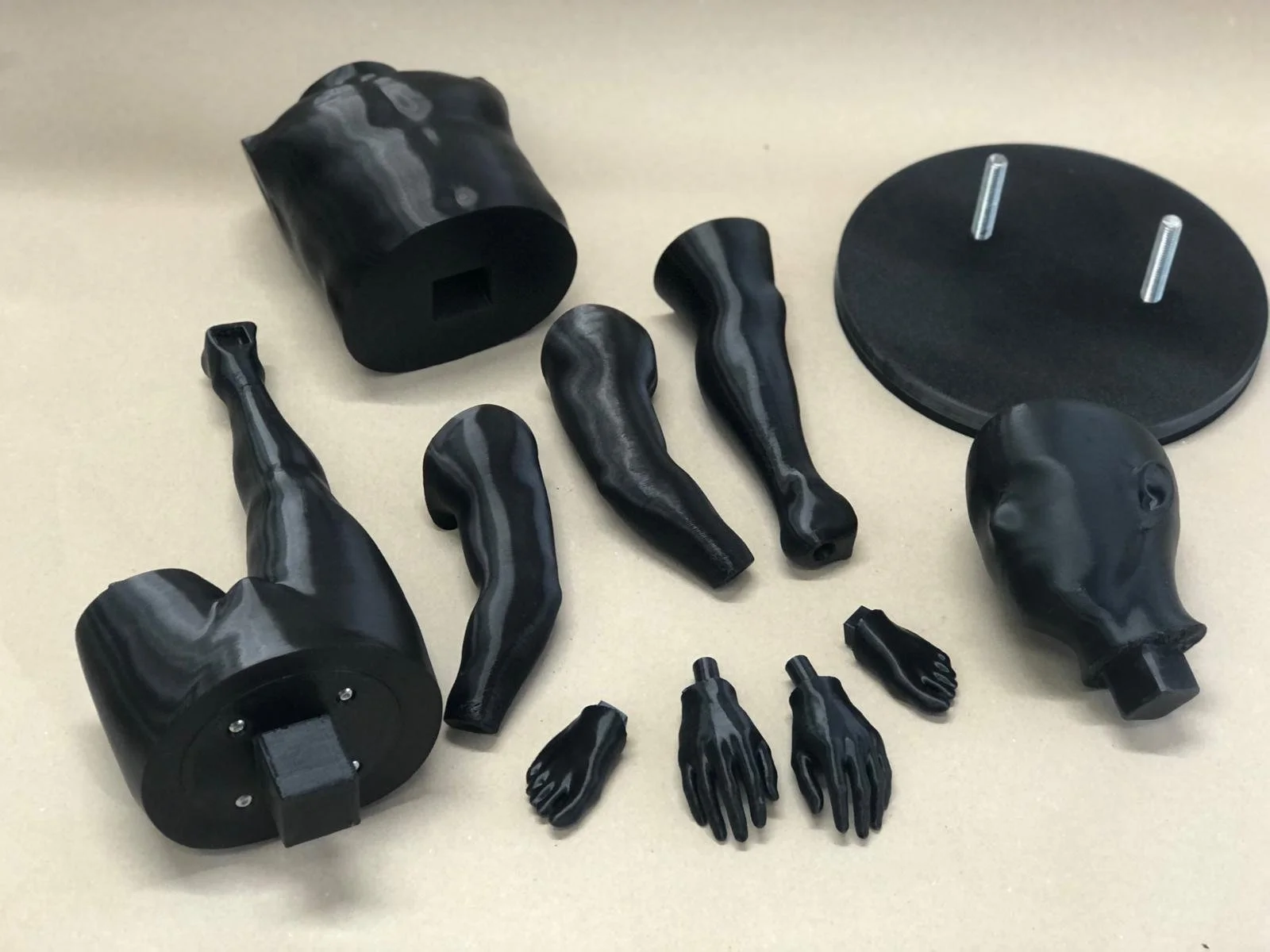
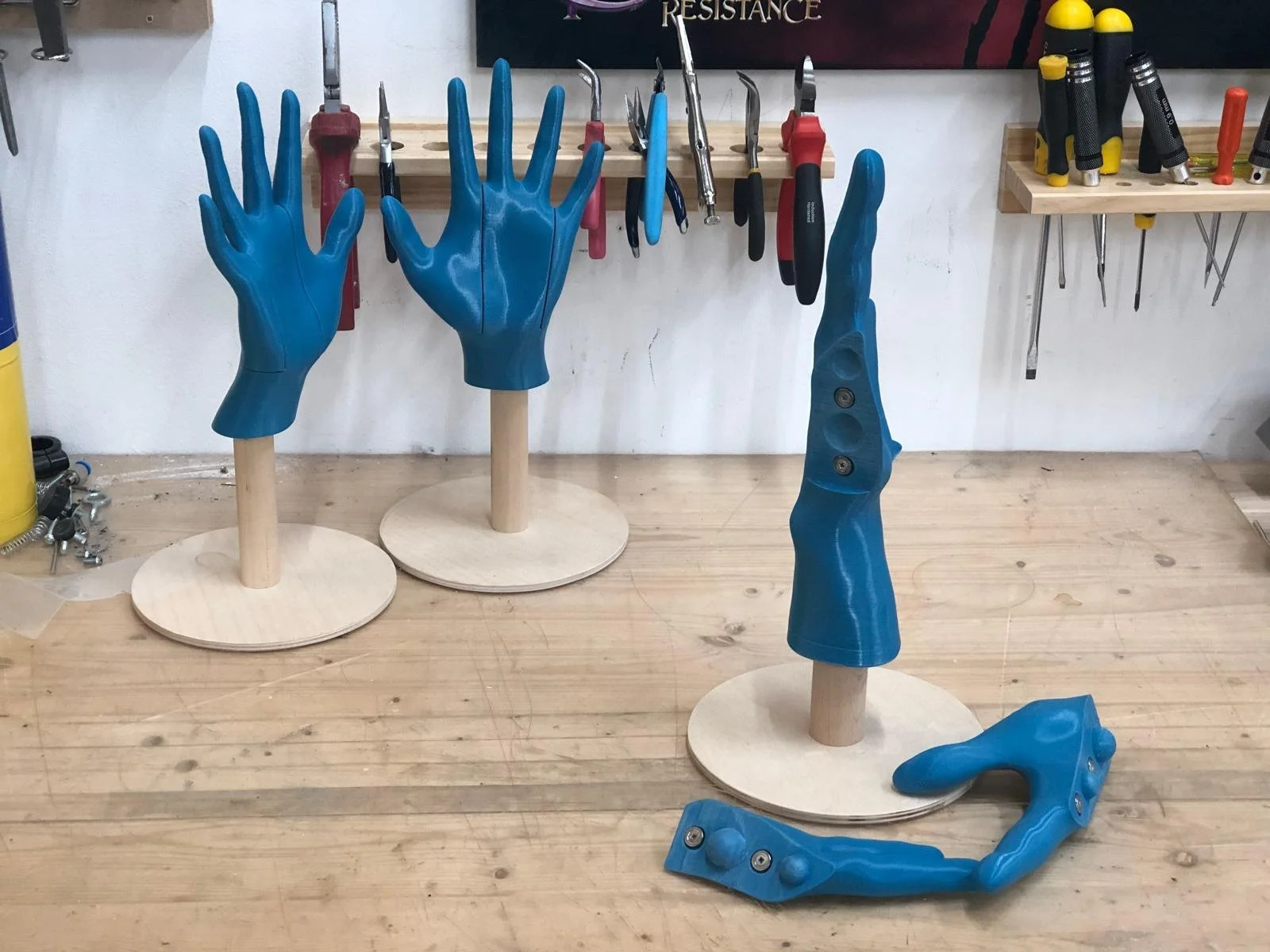
Puppet and creature components, such as head shells, limbs, hands and feet
Prop elements
Masks and mask adornments
Models, maquettes and miniatures
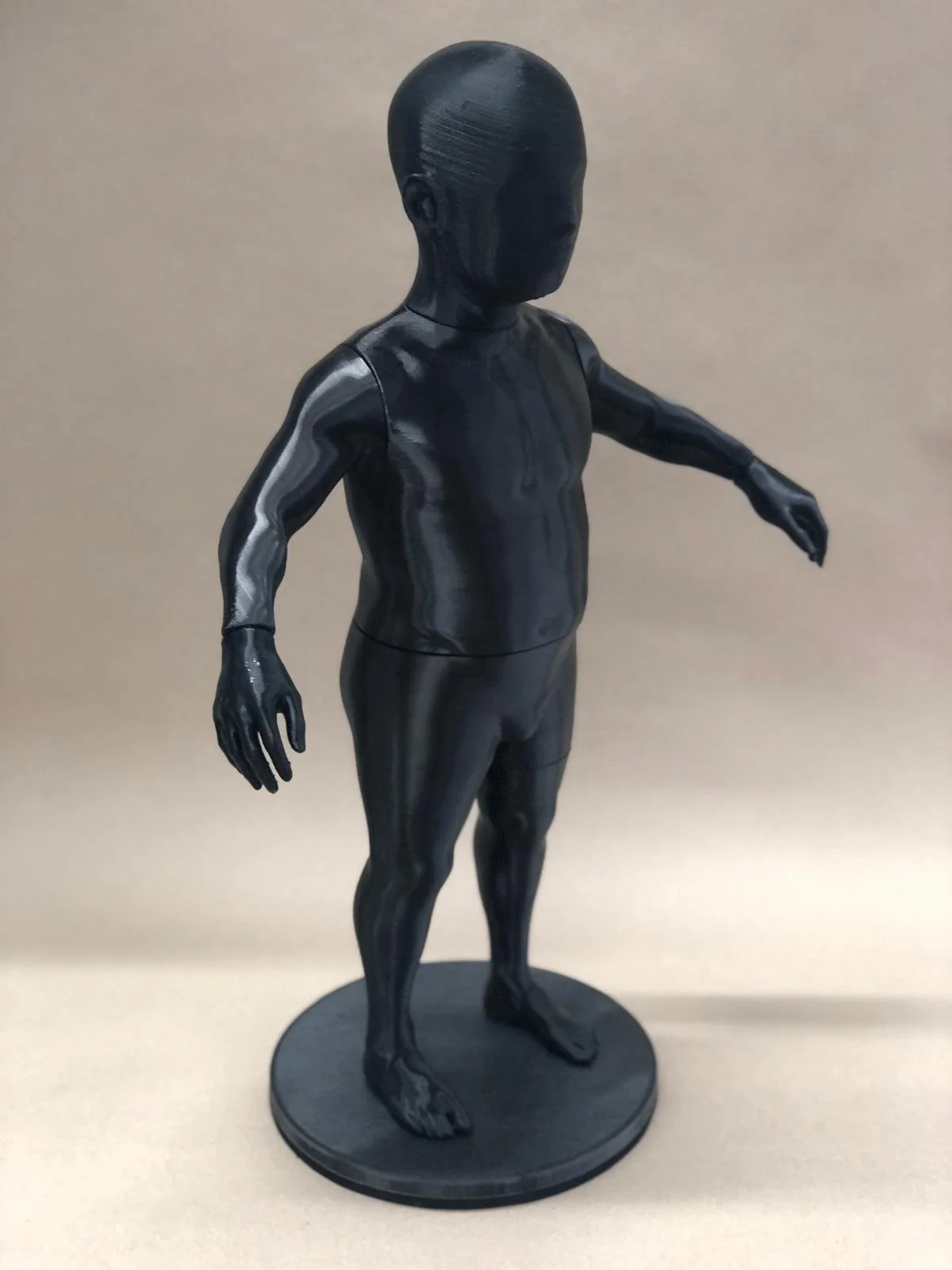
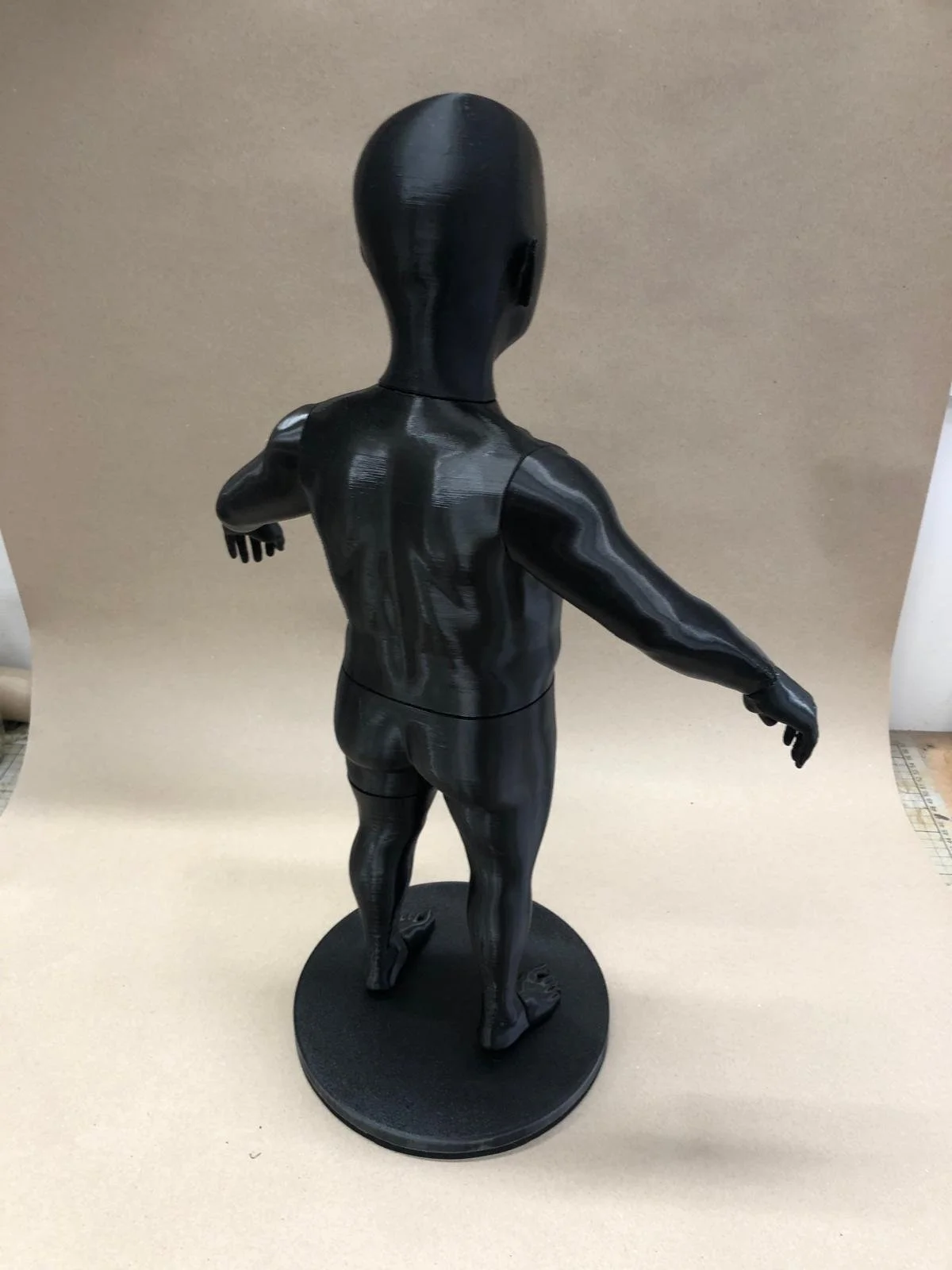
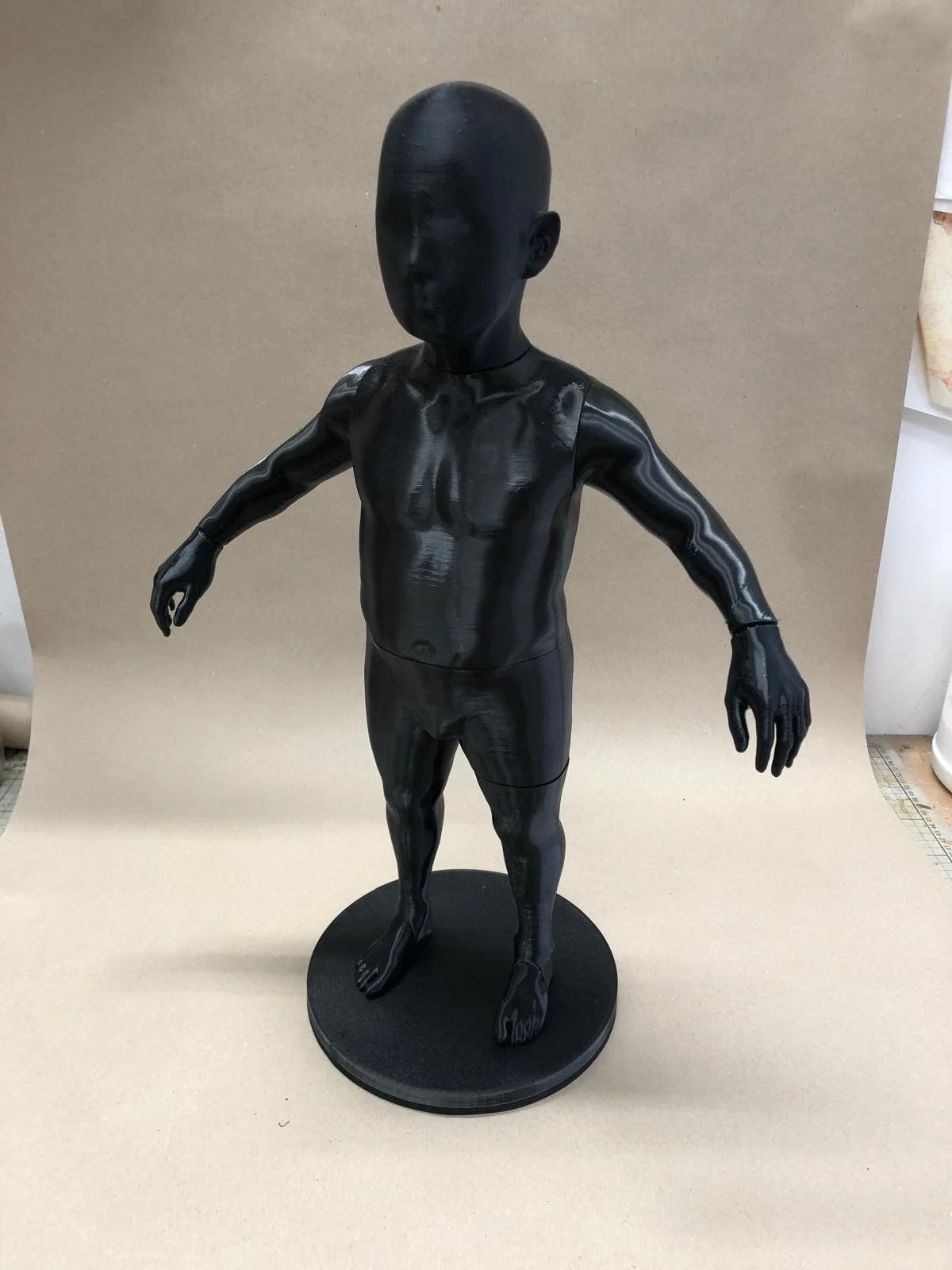
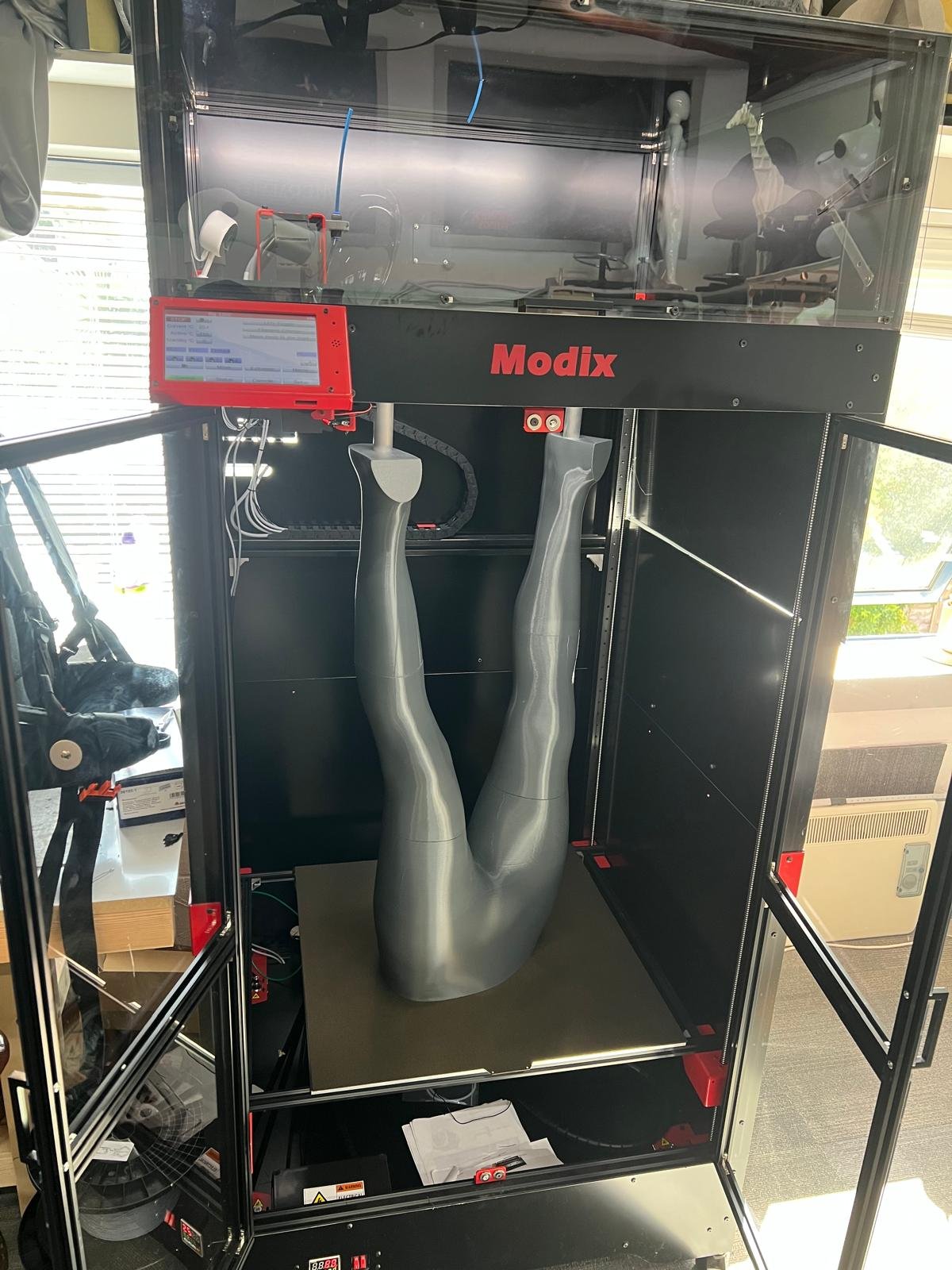
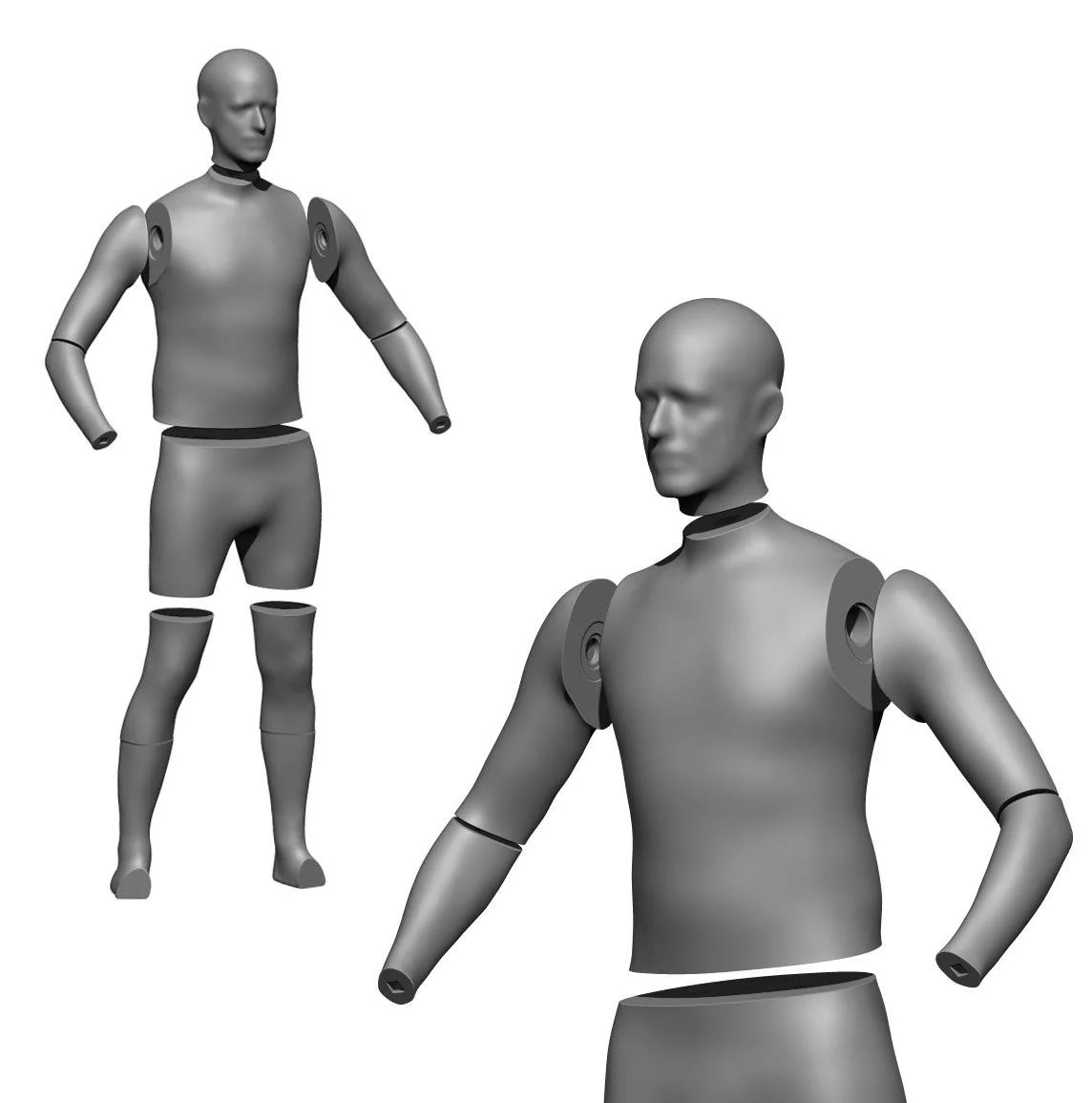
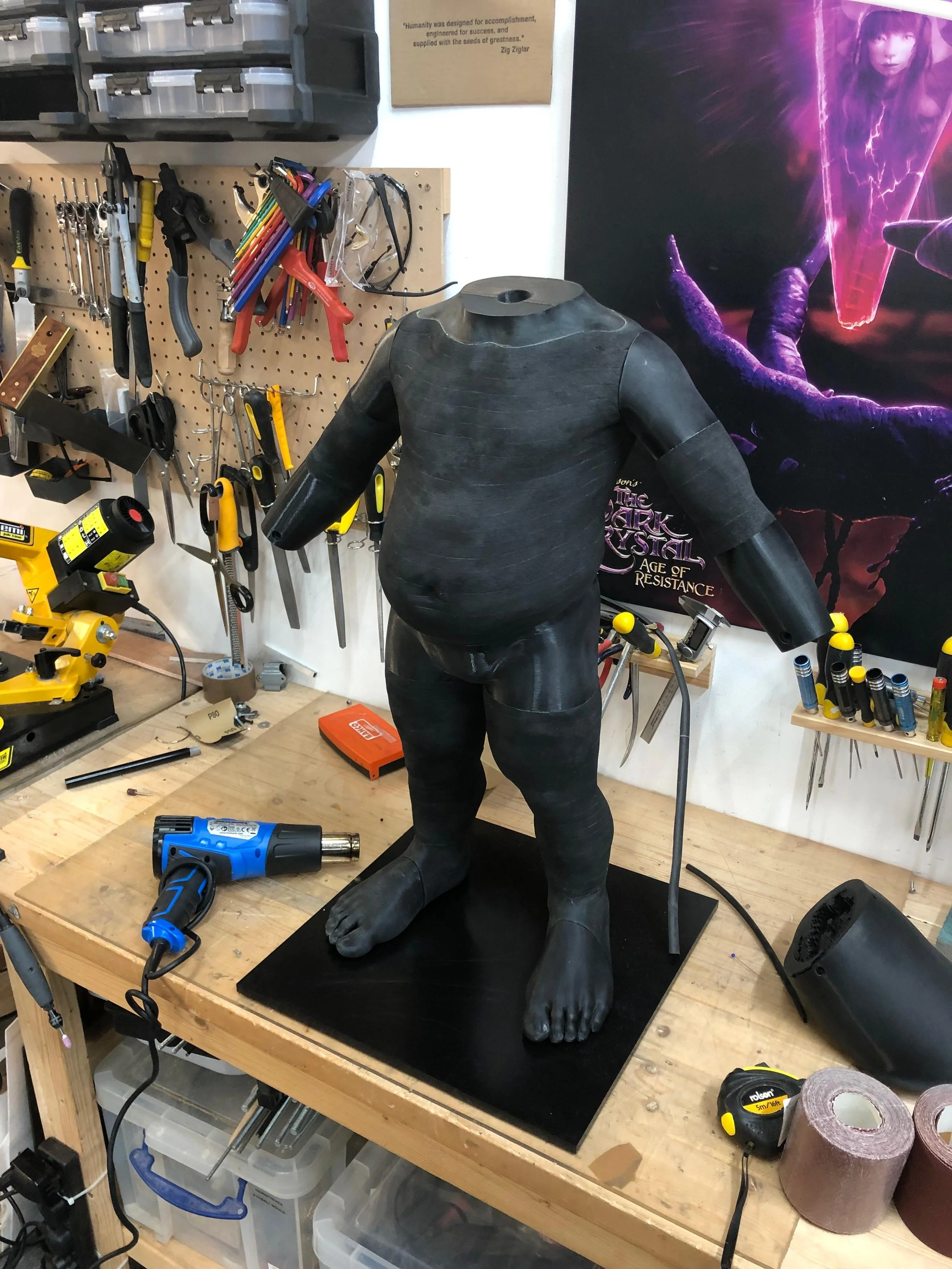
Body stands - life sized mannequin stands printed from 3D scans of the performer
Sculptural forms
Mould masters
Mechanical and animatronic components
Replacement parts
Prototype pieces
why is 3D printing useful?
Speed – go from digital file to physical prototype quickly.
Accuracy – reproduce complex shapes and intricate details.
Iteration – modify the digital design and print another version without starting from scratch.
Complexity – create forms that can be difficult or expensive to manufacture traditionally.
One-offs – particularly useful for unique props, puppets and creature components.
why come to stitches and glue for 3d printing?
Our 3D printing service is backed by years of experience. This means we don't just consider what can be printed - We consider how the finished piece needs to function, move, be assembled, painted or integrated into a larger build.
are all 3d prints the same?
No! There are many different types of filament available, so there are plenty of choices to make. One of the benefits of working with Stitches and Glue is that we can help you navigate those options, advising on the pros and cons of each material and recommending the best solution for your particular project.
We work with a wide range of 3D filaments and materials, including:
PLA- Easy to print, good detail, good surface finish, low warping | Relatively brittle, limited heat resistance | Useful for: Models, prototypes, display pieces, detailed forms
PETG - Strong, durable, good layer adhesion, more impact-resistant than PLA | Can string, surface can be less crisp, tricky to finish perfectly | Useful for: Functional parts, props and components requiring durability
TPU - Flexible, elastic, impact-resistant and rubber-like | Slower and more difficult to print; surface finishing can be challenging | Useful for: Flexible components, seals, soft-touch parts and creature elements
Nylon / PA - Very strong, tough, flexible and wear-resistant | Absorbs moisture, needs careful storage/drying, more demanding to print | Useful for: Mechanical parts, moving components and parts requiring strength
Resin - Excellent detail, smooth surface finish | More brittle, additional post-processing required | Useful for: intricate models and highly detailed components
Do you have a digital model you’D like to turn into a physical object?
From one-off prototypes and detailed creature components to small production runs, we can help bring your designs into the physical world. We'd be happy to discuss your requirements and advise on the best approach.